For vendors adding a second listing
Give each buyer one checkout across two networks
US affiliates are already sending buyers through one merchant of record, and EU buyers still need a checkout where the network is the company on the contract.
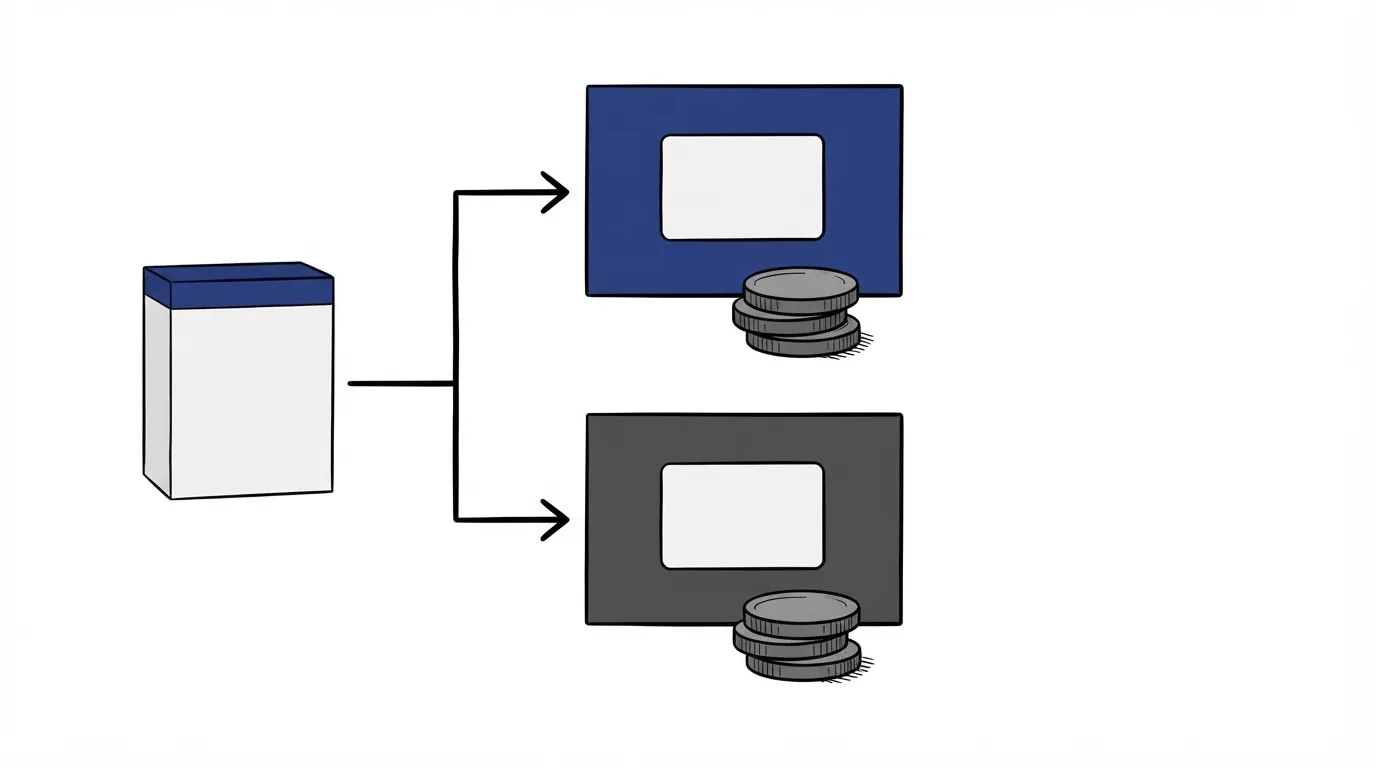
You may also want a second pool of promoters for the same product. Split by geography or by buyer type, so each checkout has one company taking the payment. Each visitor sees one order form.
My take: I'd start with that geography split, and I'd skip any setup that shows one visitor two order forms. I'd judge the second account by the promoters it adds.
See what you keep on each network
The license lines, the cookie windows and the return rules come from each network's seller contract and help pages. Reports of brands listed on more than one network come from public forum discussions. How we research affiliate networks separates those two kinds of sources.
A second network needs new buyers
Listing the same product on two affiliate networks pays when the second listing reaches promoters you do not already have, or buyers the first checkout serves badly. Vendors sell on multiple affiliate networks to reach those extra promoters. In a public thread about companies on more than one network, the line aimed at affiliates is to try both listings and stay with whichever pays them more. The vendor version of that test is two audiences. One ad click still belongs on one sales page.
US and EU networks for one offer
ClickBank is where a lot of US paid-traffic affiliates already work. Digistore24's merchant contract says the buyer purchases from Digistore24, so the sale belongs to Digistore24. JVZoo is the launch and digital-JV lane. Its terms say that, depending on the transaction flow, a third-party payment facilitator, JVZoo, or the vendor may act as the merchant of record, while the vendor stays responsible for the product. CopeCart's English homepage is run by CopeCart Americas LLC, and the same page links COPE as a separate product from Cope Global LLC.
Still weighing that pair? ClickBank vs Digistore24 for vendors puts the two side by side. Fees and payout detail live in the ClickBank vendor review, the Digistore24 vendor review and the CopeCart vendor review.
Keep accounts and refund pages apart
The deliverable, the core promise and the creative angle can travel together. You set the commission in the account for that network, because that network pays its own affiliates from its own sales. Put your price and that rate into the fee calculator and read the share left for you before you publish the second listing.
Keep each of these separate:
- The vendor account.
- The product ID and the order form address.
- The compliance packet you send that network.
- The bank account that receives the payout.
- The refund page you send that buyer to.
On Digistore24, the buyer looks up the order at Find your order with the order ID and a name or email. ClickBank's return policy requires sellers to provide customer support by managing return requests as tickets inside the ClickBank account. A support reply that names only one of those pages leaves the other network's buyer without a way to ask for a refund.
A side deal can close one channel
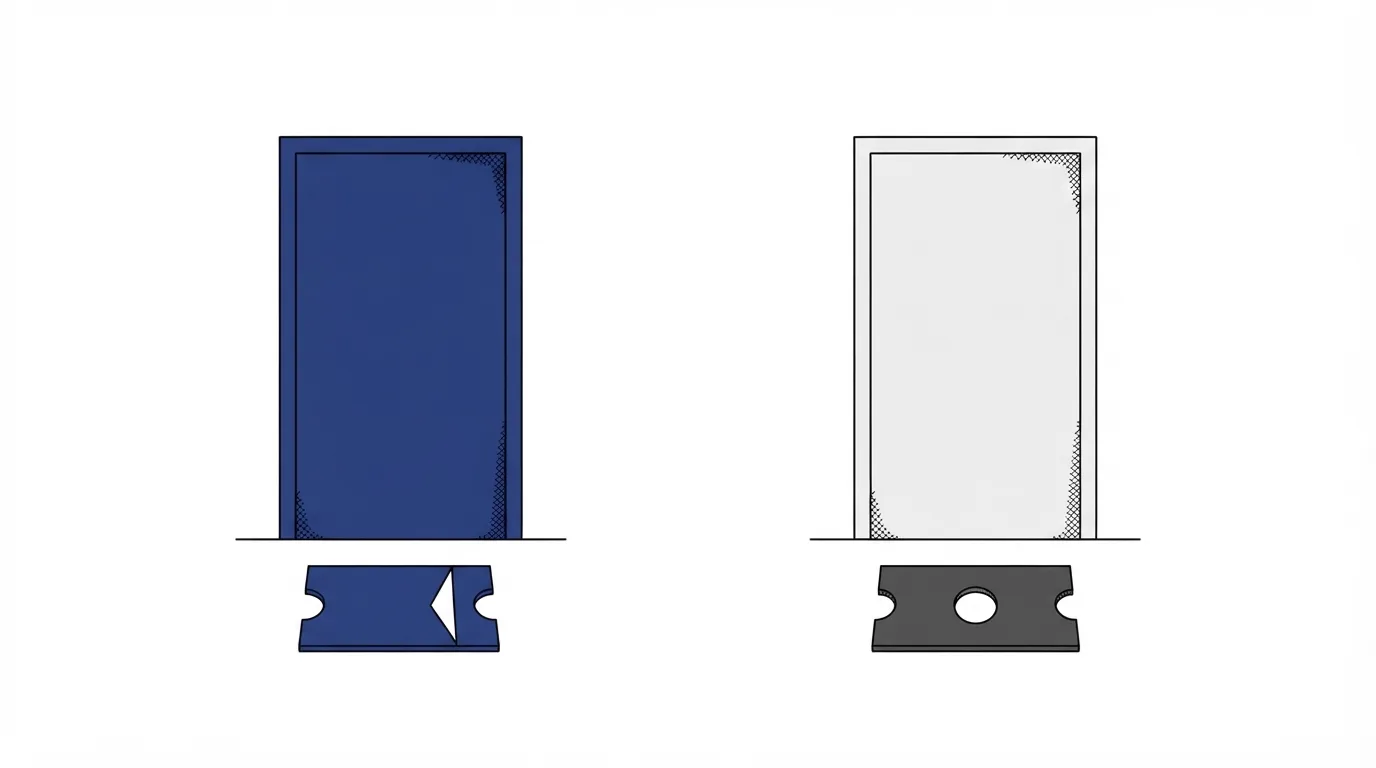
ClickBank's client contract grants a non-exclusive, revocable right and license to use its services, and you cannot sublicense that right. Digistore24's vendor terms grant a non-exclusive, revocable license, and you cannot transfer it. Those are the rights the two public contracts give you. A private JV agreement can add an exclusivity line, and so can an invite-only arrangement such as a BuyGoods deal, along with a fee schedule that lives only in that paperwork. Read the document you sign before the second account opens.
Digistore24 also offers a narrower lock as a feature for super affiliates. That page says one promoter can hold the exclusive right to promote a given offer on one ad platform, while the seller keeps the other channels for the broader affiliate base. A different Digistore24 page describes offers a seller has chosen to keep on Digistore24 alone, and it says an exclusive offer stays off every other platform. Affiliates who came in because the offer was Digistore24-only will expect the product to stay there, because that is the deal you offered them. The platform license still leaves every other channel available until a separate agreement closes one.
The statement name owns the refund
The buyer paid the company that took the card, so the refund follows that charge. On Digistore24 the buyer bought from Digistore24, and you need Digistore24's consent before you chase that buyer for money still owed. Digistore24 handles the collection.
On ClickBank, an approved return on a revenue-share sale pulls the seller's share and the affiliate's share back out of both accounts. Budget for that clawback in the ClickBank account. A commission another network already paid, on a different order, stays with that network.
Write the partner terms so each affiliate is paid only on the network that kept the sale.
Cash moves on its own clock. One network can hold a reserve while another releases on a shorter wait. Those dates sit on the payout hold timeline.
Each network keeps its own cookie
ClickBank's HopLink guide credits the affiliate who referred the customer when the purchase happens within 60 days of the click. The same guide says HopLink tracking includes cookies, and that cookies have to be enabled in the browser for the credit to work.
Digistore24's cookie page says a click on the affiliate link sets a cookie that persists for 180 days. The two windows change what a promoter earns on an identical deliverable, and each window counts inside its own program.
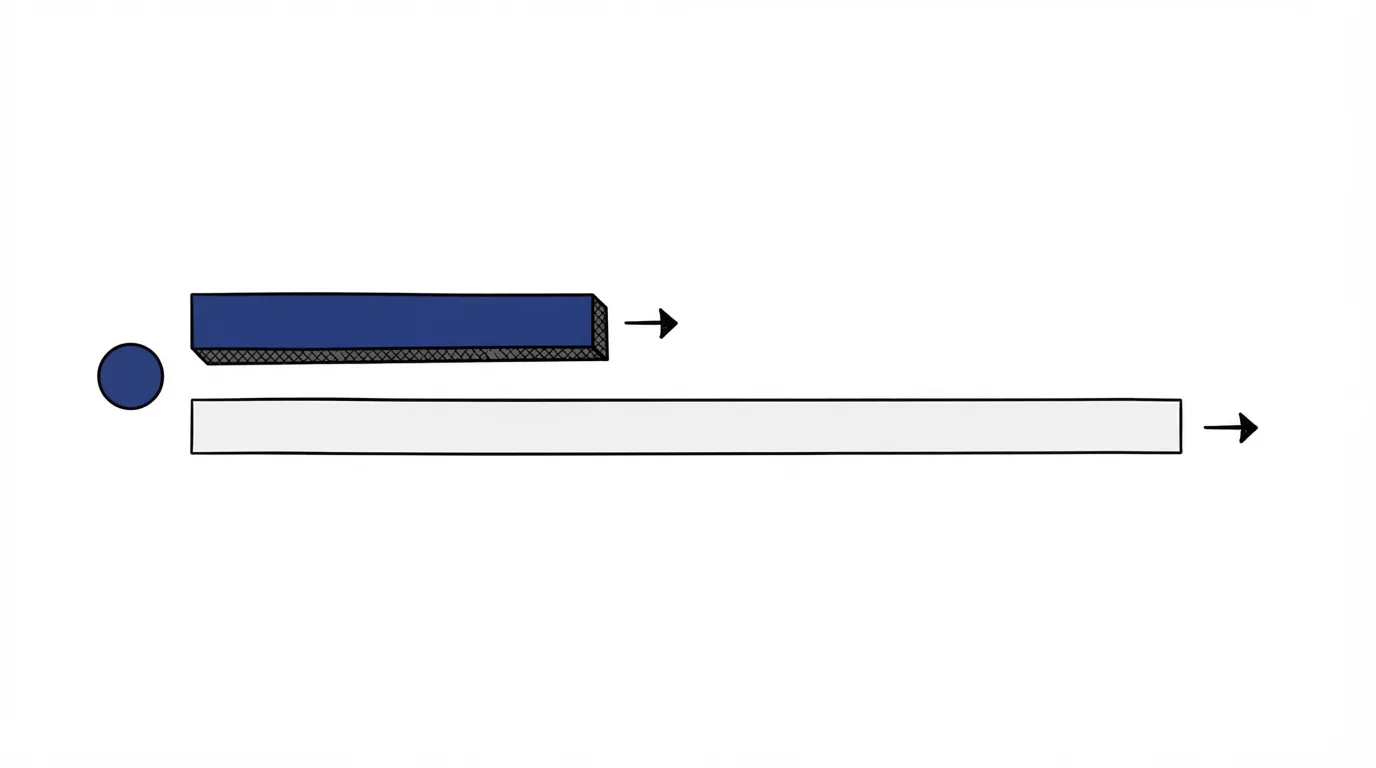
Affiliates comparing cookies across networks, in a thread on cookie competition, say that when both cookies are present, credit depends on how the merchant set up tracking, and that the most recent touch is the pattern they see most often. Measure each hop on its own links before you raise ad spend. Treat a cross-network last click as your own measurement, because those help pages describe only the window on their platform.
ClickBank's traffic rule is about where its buyers are allowed to pay. The prohibited-activities guide forbids an attempt to circumvent ClickBank's sales process or to divert ClickBank customers to another website. A paid click that arrived through a ClickBank hop finishes on that hop's checkout. Send US traffic down one hop and EU traffic down another, on separate domains, so the two sales processes keep their own visitors.
Changing a Digistore24 funnel after approval can get the product pulled. Digistore24's merchant terms let it pull the product off the marketplace with no warning when you change an approved funnel page and do not tell them. File the new price or the new page there, then turn the traffic on.
Write four lines before you go live
I'd keep the second network from taking traffic until these four lines are on the affiliate page and in the partner email.
- US hops go to one network and EU hops go to the other, which keeps a ClickBank customer inside the sales process described earlier.
- The thank-you page names both support paths: the Digistore24 order lookup, and a ticket in the ClickBank account.
- File a new price or a rewritten funnel page with Digistore24 before you send anyone there, so an undisclosed edit does not get the product blocked.
- Partner copy names which network pays the commission, so a refund processed on one network leaves the other network's commission where it is. The ClickBank revshare debit is the clawback in the refund section.
Still choosing which two accounts to open? Start with ClickBank vs Digistore24 for vendors.
See what you keep on each network
Related
- Vendor guides hub
- Who handles tax, refunds and chargebacks
- ClickBank vs Digistore24 for vendors
- Affiliate network fee calculator
- Payout hold timeline by network
- ClickBank vendor review
- Digistore24 vendor review
- CopeCart vendor review
- JVZoo vendor review
- How we research affiliate networks
Sources
- ClickBank: HopLinks guide
- ClickBank: prohibited seller and affiliate activities
- ClickBank: return and subscription cancellation policy
- ClickBank: client contract
- Digistore24: vendor terms
- Digistore24: 180-day cookie window
- Digistore24: offer exclusivity for super affiliates
- Digistore24: exclusive offers
- Digistore24: find your order
- JVZoo: terms
- CopeCart: English homepage
- Affiliates on cookie competition between networks
- Affiliates on companies listed on more than one network
Written by
Vendor Runbook Editorial Desk
Editorial desk
The editorial desk at Vendor Runbook. It sets the testing standard the reviews are held to, signs the pages no single writer owns, and publishes the notes and dates behind every ranking. Corrections go to the contact page and are logged on the page they change.
Last checked 2026-10-19
Comments
No comments yet. Questions and your own experience are welcome.
Thank you. Your comment will appear once it has been reviewed.